

As part of celebrating 10 years of the Visit With Respect program, we want to highlight Semira Crank, who is marking four years this month as Visit With Respect Program Director. We sat down with Semira to hear her reflections on how she and the program has evolved over these past few years, and what she is looking forward to next.
Watch “10 Years of Visit With Respect” on our Vimeo page.
Tell us a little about yourself.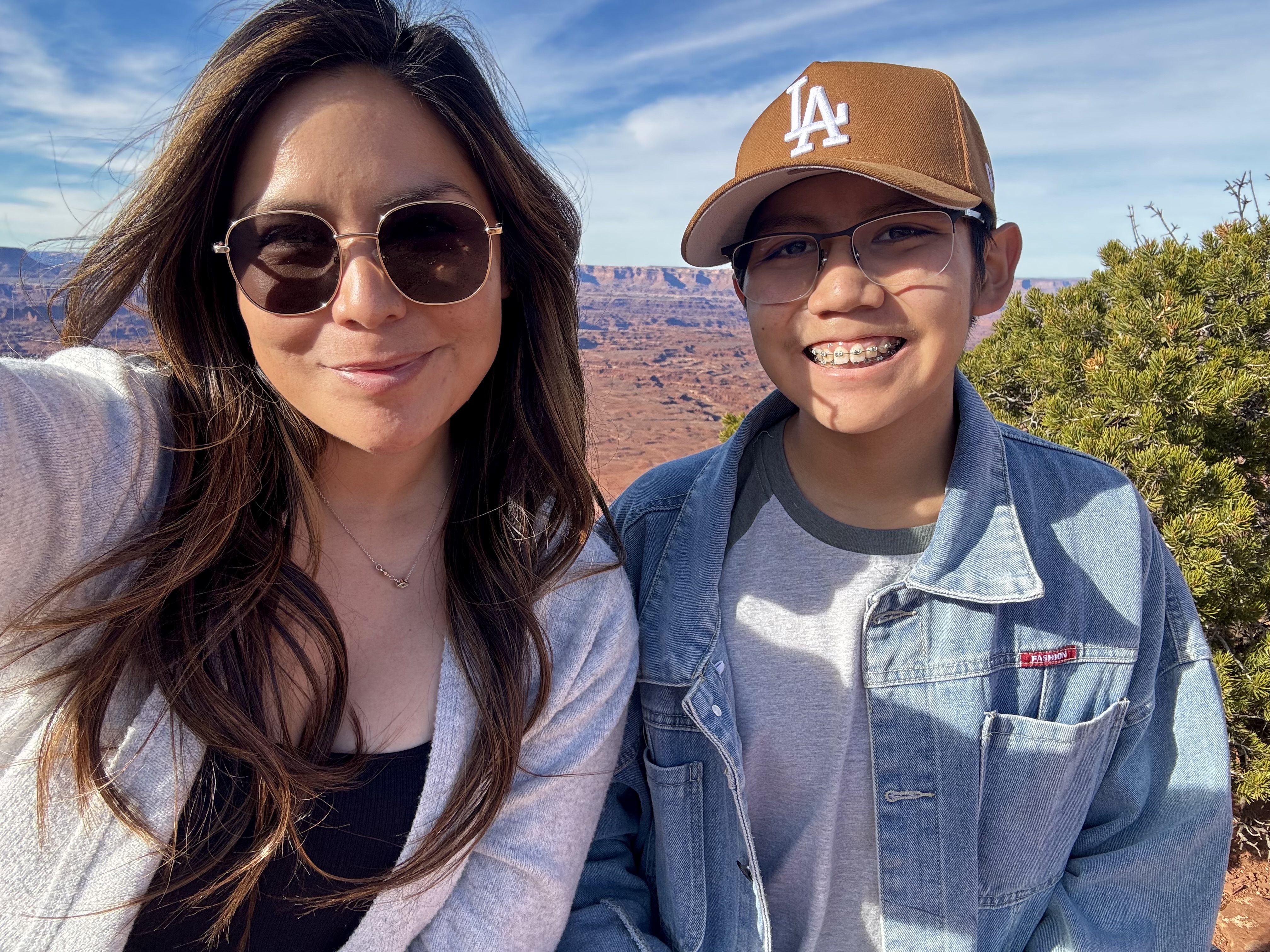
I grew up in Montezuma Creek and I still reside here with my incredible 14-year old, Aiden. Utah is homebase and always will be. I enjoy cross country running with my son, reading thriller and history novels, and home renovation projects. If you want to get me chatting with you, mention Led Zeppelin’s “Kashmir,” or the character Luna Lovegood – and you’ll get my attention fast.
You and the Visit With Respect Program have experienced lots of growth in the past several years. Tell us about that journey.
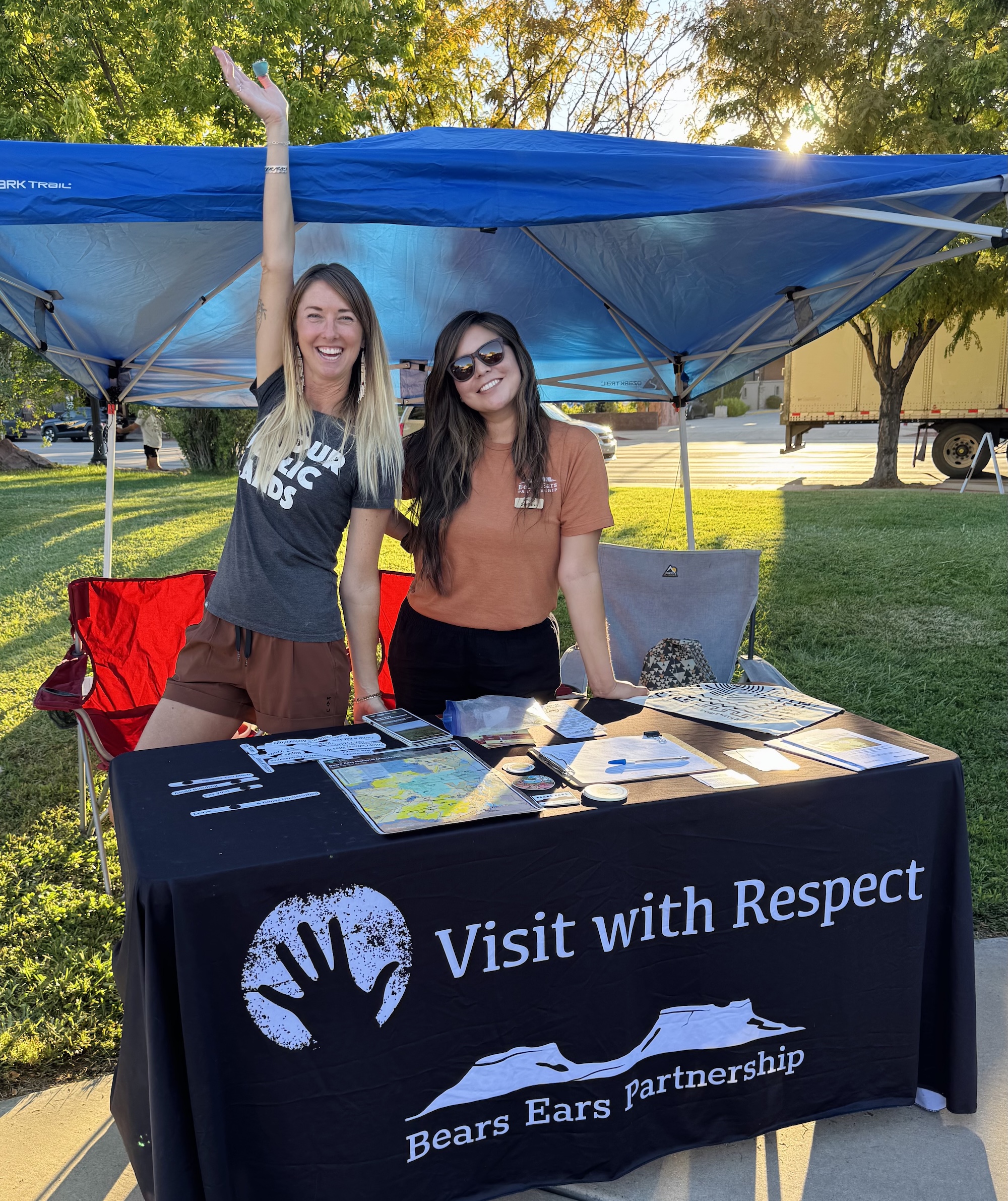 I'm a lot more confident in speaking up about this program; I used to shy away from talking about it and bringing it up to other partners in regards to outreach. But then I started to realize that this program was actually needed across the Southwest, in other landscapes, national parks and national monuments, and I started to notice that our Tribal partners were also wanting a semblance of this program in their region or in their landscapes. I am more confident in saying, “Hey, we have this incredible program, this is something you should check out.”
As far as the evolution with this program, I will always appreciate my predecessors, and the fact that they set such a solid foundation for this program. The Visit With Respect program started out with 17, 18, and then 19 guidelines. Then adopting the 20th when we collaborated with the Bears Ears Inter-Tribal Coalition and Bears Ears Commission really shifted the focus on ancestral landscapes. Another evolution was seeing people change their thinking about respectful visitation, such as not using certain words – like saying “structures” instead of “ruins”, “Indigenous” instead of “Indian” or “rock imagery” instead of “rock art” – and looking at the landscape as a living entity rather than just a landscape. It's not just the trail, or a site; the landscape should be seen as whole as opposed to individual sites.
What motivates you in this work?
What motivates me is the fact that I am able to give back to a landscape that has also provided for me and my family for generations. When I first started working with BEP, I hadn't realized even my own connection to the landscape until I started to fully explore it. And mind you, I had been out on the landscape my whole life. But to visit it now as an adult and a parent, I see it in a different light. So what motivates me is wanting to continue that sanctity the landscape provides for not only me, but for my family and for my community members who I know personally that go there and seek healing, recreate, hunt, and gather wood. You know, to us, it's just living a normal life, and I think that's what motivates me to continue that.
 What do you love about this job?
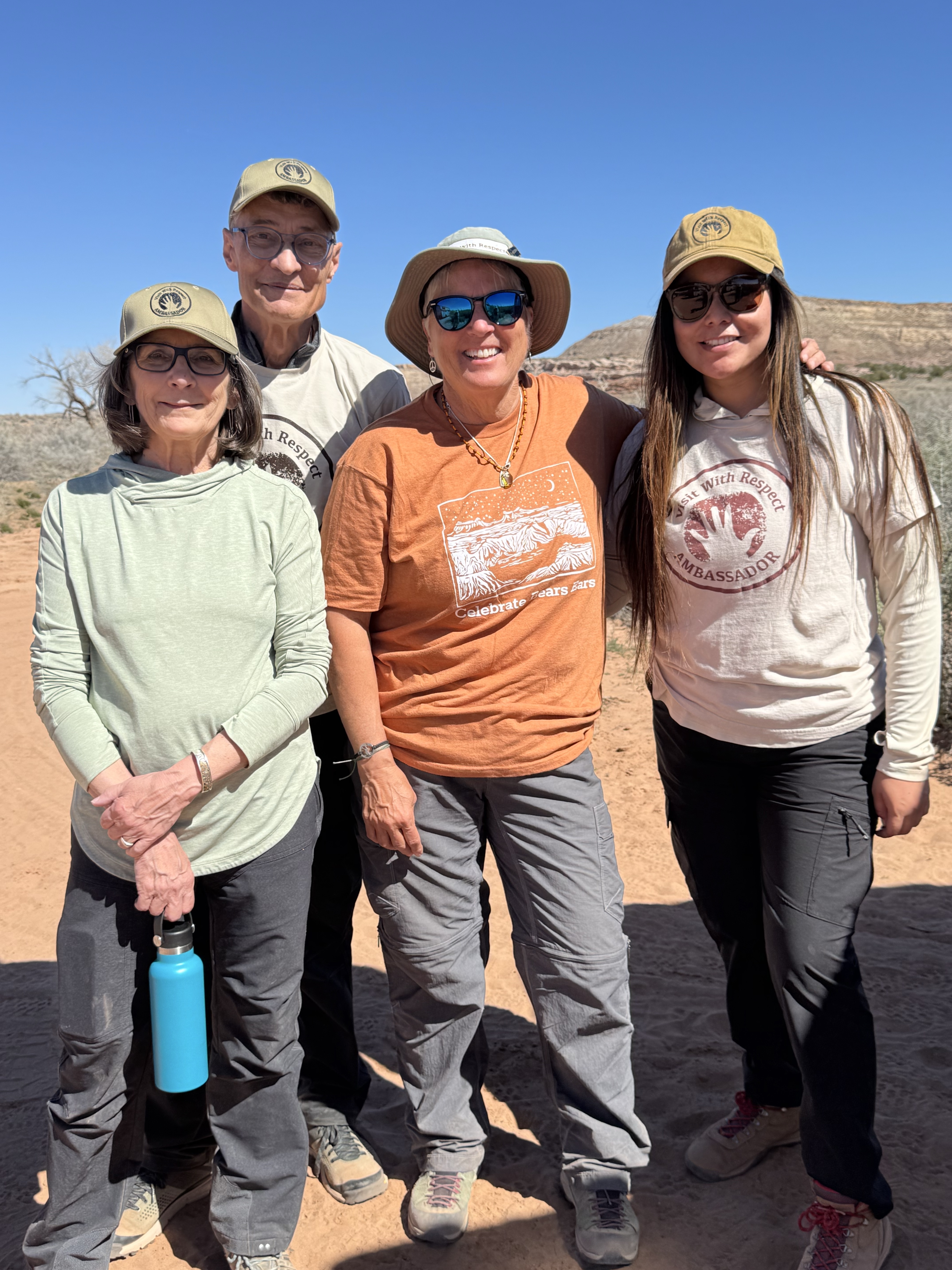
What I love about my job, and just this organization in general, is the fact that I get to work with volunteers and people across many backgrounds. I get to know them, and kind of get a sense of why they also love this place, love this landscape. A lot of these Ambassadors, whenever I need help with something, they're always the first to volunteer and want to help.
What have been some highlights from your time leading the program?
Partnering with the Bears Ears Inter-Tribal Coalition was a definite highlight. As a young Navajo woman, I needed support refining this program, and traditionally, whenever I needed help, I always went to my leaders or to my elders, right? And the fact that I got to present this program to the Coalition, and they wanted to partner with us – that in itself showed me that “Okay, I can take this on. This is something that Tribal leaders are in full support of,” made me feel confident. And that’s how you create change: when someone young like myself has the support of their elders.
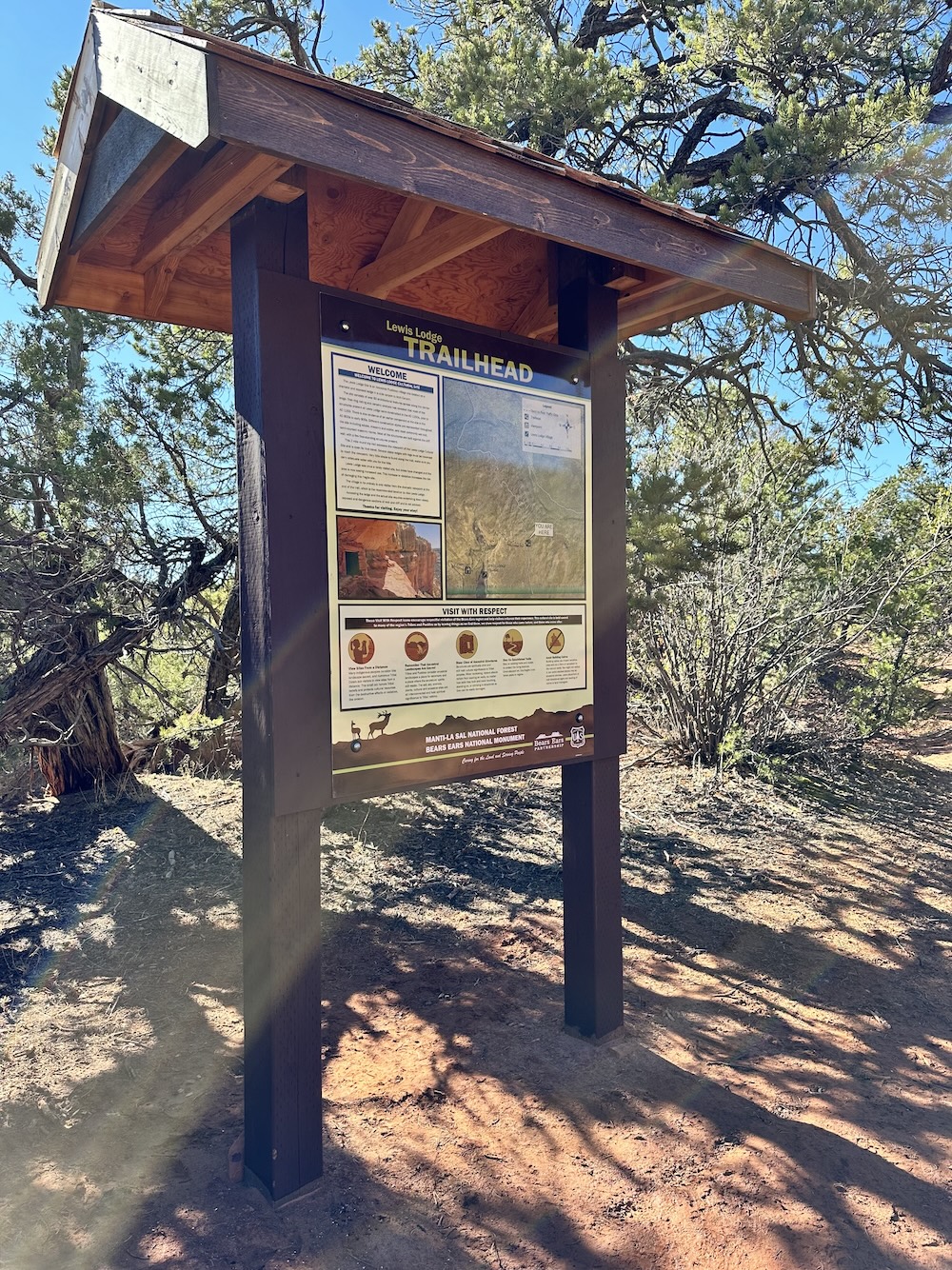 Another highlight would be the expansion of our Ambassador Program. What started out with about 30 to 40 people now has grown to upwards of 73 now, and hopefully more. This program is reaching people who really want to help. With that increased interest in the program, highlights have been expanding our work to other nonprofits and organizations: seeing Science Moab and Canyonlands National History Association adopt some of our messaging has been a big highlight.
And then a definite highlight is seeing Visit With Respect guidelines be included on signs across the monument, including partnerships with Forest Service, Bureau of Land Management, and the National Park Service, and specifically Mesa Verde National Park. People don't understand that it takes a lot of partnership and a lot of discussions to have our messaging go outside the monument and to see this expansion is really exciting.
The most recent highlight is seeing the update of the Junior Ambassador booklet. It was nice to work with the high school that I went to and the art students there. I come from a background where it's about the next generation, and when I graduated from Whitehorse High School in Montezuma Creek, there weren't many opportunities for us to show our intelligence or artistic abilities. Now that I'm in this role, I’m grateful I was given a chance to work with the art students there. And to see the beauty that they were able to create just shows me our traditions can live on, and the things that we were taught by our parents and grandparents are carried on because our kids are showing that in the way that they express themselves or the way that they look at their own landscape.
What are you looking forward to?
The next ten years! We celebrated our 10-year anniversary of Visit With Respect in March. Reflecting on the past, and seeing how much work and effort many people had put into this program – I want to continue that for the future with my amazing BEP team.
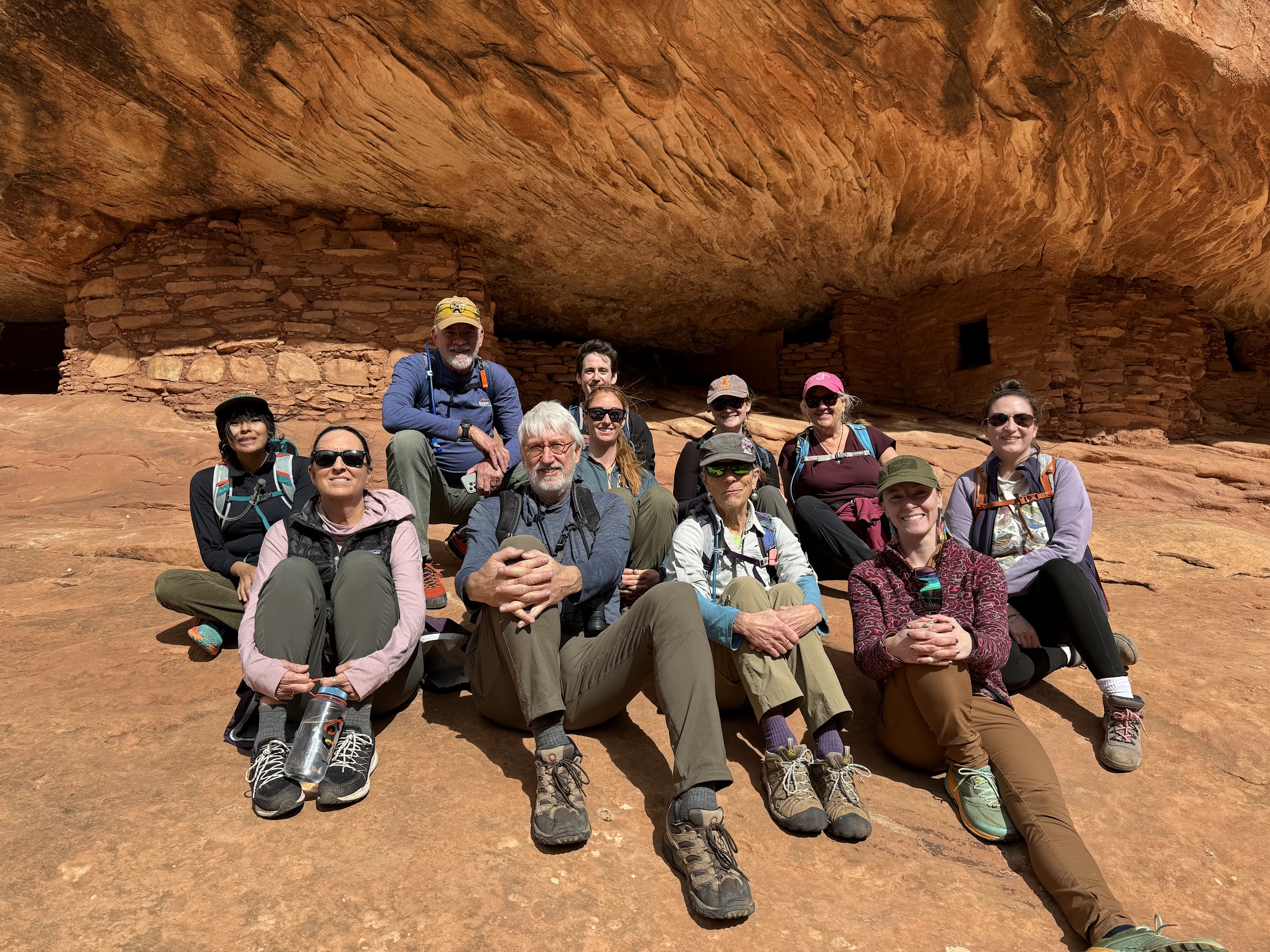 I'm looking forward to the expansion of this educational campaign. I'm looking forward to working with other Tribal Nations across the Southwest, and even the entire Western US region. I want to see this at Chaco Culture National Historical Park, at Grand Canyon National Park, Arches and Canyonlands and Hovenweep. That is my goal: to see the expansion of this program, and I'm looking forward to seeing it across other landscapes as well, and I think that's sort of something that I'm manifesting.
I'm looking forward to getting the word out, and I really want people to start adopting this into their natural to-do list – the notion of visiting with respect and following these 20 guidelines. When people say "I'm going to go backpacking, or rock climbing, river rafting, or canyoneering,” I want them to think, “These are the safety things I need to keep in mind, and this is what I need to pack, but when I get there, I need to make sure that I'm visiting with respect.” I'm trying to encourage people to start adopting this habit of knowing these guidelines.
The next Visit With Respect Ambassador Training is coming up September 19. What would you say to someone who’s considering getting involved?
One of the top questions I do get asked is: What can I do to help? And I tell them, your time is valuable, so if you want to come and volunteer with us, that in itself is highly appreciated. Many people don't understand the value to BEP and Visit With Respect, so if you want to donate your time, our upcoming Ambassador Training on September 19th is the perfect time to sign up!
The training is a one-day event where people will learn the tools that they need to engage and talk with people, and how to hit the right talking points and how to engage with people on the trails. We’ll have indoor training and an afternoon workshop called, “How to Talk to Strangers” with real-life scenarios that previous Ambassadors who have experience on the landscape talking to visitors. There will be breakfast and lunch provided, and chances to engage with others who also feel passionate about this region.
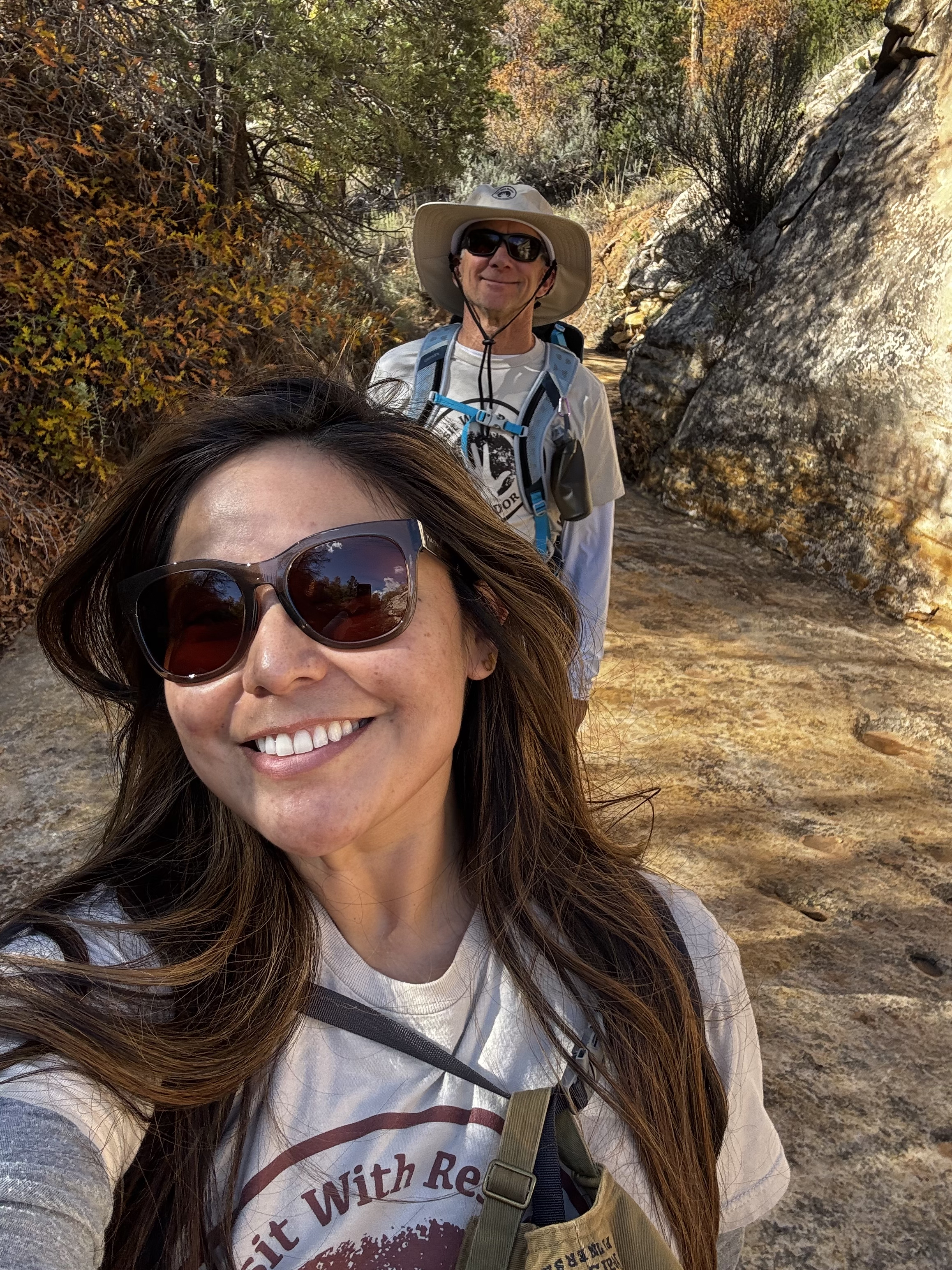 There are few things to keep in mind should you sign up:
- A deep appreciation for the Bears Ears landscapes and cultural sites
- The ability and desire to walk across different types of terrain and in varying types of weather conditions – whether that's hot or cold, because this area is very unpredictable
- Excitement about becoming more familiar with the landscape that you’re helping to preserve.
Being an Ambassador is a unique opportunity! Sometimes Ambassadors don't see visitors for two to three hours, and in the meantime, they take this time for themselves. Ambassadors see something beautiful out there all the time, and they paint, draw, or they even just sit there in solace. And just having that time alone to reconnect with yourself and the world around you, that's one of the ways that you can continually live harmoniously, or go back to the “real world” with a reset mind. Why not do that as an Ambassador? Come volunteer with us and make sure that these spaces continue to be protected.